Kampala, January 26, 2026 – Veteran Ugandan politician and lawyer Hon. Dr. Fred Mukasa Mbidde has suffered yet another setback in his long political career. The Democratic Party (DP) stalwart lost the fiercely contested Buwekula County parliamentary seat in Mubende District during the 2026 general elections.
In a open and self-reflective statement, Mbidde opened up about his repeated losses, offering a rare glimpse into the challenges he faces in direct voter elections.
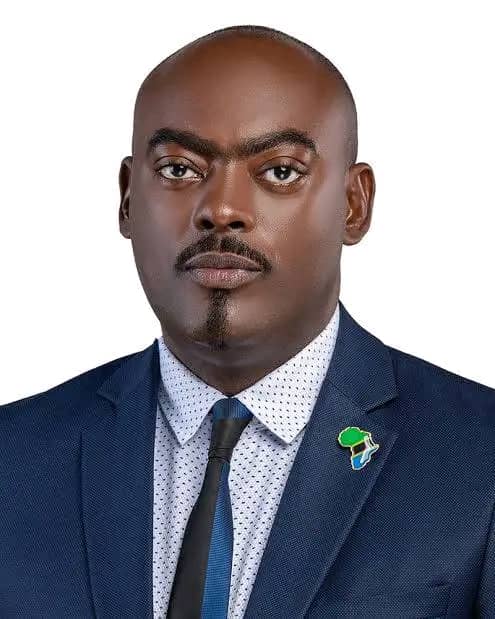
Mbidde, who is widely known for his sharp legal mind and eloquent speeches, has been active in politics for over two decades. Born on October 15, 1974, he started his education at Nakyenyi Primary School, where his mother was a teacher, and later attended Kabwoko High School. He then joined Makerere University, Uganda’s top institution, where he studied law for several years and graduated with a Bachelor of Laws (LLB) degree, specializing in banking, corporate, finance, and securities law. While at Makerere, Mbidde showed early leadership skills by serving as Guild President one of his few direct election victories among highly educated student voters.
In 2023, he earned a Doctorate degree from Zoe Life Theological College in the United States, adding to his impressive academic profile. Today, he runs a successful law firm, Mbidde & Co Advocates, and has built a reputation as a human rights activist, motivational speaker, and mass communication expert.
Mbidde’s rise in national politics came through the Democratic Party, one of Uganda’s oldest political organizations. He has held key roles in the party, including chairman for Masaka District, chief legal advisor, and national Vice President – a position he secured multiple times through delegates’ conferences, often running unopposed among educated party leaders.
His biggest success came on the regional stage. From 2012 to 2022, Mbidde served two full terms as Uganda’s representative in the East African Legislative Assembly (EALA) in Arusha, Tanzania. These positions were secured through parliamentary selections, including arrangements between DP and the ruling National Resistance Movement (NRM) that sidelined opposition rivals like the Forum for Democratic Change (FDC).
However, when it comes to direct constituency elections, Mbidde’s record tells a different story. He has contested several parliamentary seats over the years but has never won:
In 2005, he ran for Makindye West MP and lost.
In 2007, he competed in the Kalungu East parliamentary by-election and lost.
In 2021, he challenged Mathias Mpuuga in Nyendo-Mukungwe and lost.
In 2026, he campaigned hard for the Buwekula seat but lost again.
The only time Mbidde won what resembled a popular election was back in 2012 and 2017 for EALA, under the special party deals that guaranteed his spot.
Speaking openly about his latest defeat in Buwekula, Mbidde delivered a brutally honest reflection on his electoral track record. “I have never won an election where voters are below Senior Six or its equivalent,” he said. “From my days as Guild President to serving two terms in the East African Legislative Assembly for ten years, I have only won elections dominated by Senior Six and above voters.”
He went further, noting that even his rise to DP Vice President came through delegates’ conferences made up of highly educated members, where he faced little or no opposition. “But when it comes to elections dominated by #Wazoks and #Palokas, I have not won,” he admitted, using local slang to refer to everyday grassroots voters with less formal education. “So for me, this outcome is only natural.”
Mbidde’s remarks have sparked debate across Uganda. Some see them as an honest admission of the gap between elite politics and grassroots campaigning. Others view them as a commentary on voter preferences, education levels, and the realities of Ugandan democracy. Supporters praise his intelligence and experience, while critics question his ability to connect with ordinary voters.
Despite the string of losses, Mbidde remains a respected figure in the Democratic Party and Ugandan politics. As the dust settles on the 2026 elections, many are watching to see his next move whether he will try again for a constituency seat, focus on party leadership, or continue his influential work in law and regional affairs.
Hon. Dr. Mukasa Mbidde’s journey highlights the ups and downs of political life in Uganda: success in structured forums, but tough challenges on the ground. His story is a reminder that in politics, connecting with all kinds of voters is key to victory.